Business Waste Removal in Westminster

Business waste removal in Westminster needs to be practical, discreet and organised around how your premises actually operate. We provide a straightforward service for offices, shops, studios, hospitality venues and managed properties that need commercial waste taken away without creating avoidable disruption. From everyday office rubbish to bulkier items that are no longer needed, the aim is to clear waste responsibly and leave the space ready for normal use again.
Our work covers a wide range of commercial waste streams, including mixed non-hazardous rubbish, office furniture, packaging, broken fixtures and items that have reached the end of their use. Where a business is planning a clear-out, we can also help with office clearance for desks, chairs, filing cabinets and other workplace contents that need to be removed together. The service is designed to suit premises that may have limited storage, busy customer-facing hours or restricted access.
For straightforward organising, it helps to separate what must go, what should stay and what may need special handling. A brief list of the main items is often enough to begin planning the job, and it can make collection smoother when there are multiple rooms or departments involved. Clear instructions on access, loading points and any items that need extra care are useful, especially in shared buildings where coordination matters.
Commercial waste clearance for working premises
We handle day-to-day commercial rubbish removal as well as larger one-off clearances, always with an eye on keeping the workplace safe and orderly. That can include old stock packaging, redundant promotional material, broken shelving, archived paperwork awaiting secure destruction and general non-hazardous waste that has accumulated over time. Where appropriate, we can combine collection of different item types in one visit so the site is cleared efficiently.
Different premises call for different approaches. An office may need careful removal of desks and monitors during a phased move, while a retail unit may need fast clearing of display fittings after a refit. A hospitality site might need mixed waste and worn equipment shifted from back-of-house areas without disturbing service areas. If you are comparing options, business waste removal is the core service to review first, because it sets the overall scope for what can be collected from commercial premises.
For many customers, the most useful detail is how the waste is sorted before loading. Some loads are straightforward and can be removed together, while others work better when reusable items, recyclable materials and general rubbish are separated in advance. That practical decision can affect how the collection is handled, particularly where there is limited time on site or a requirement to keep corridors, loading bays and shared entrances clear.
Office furniture, fixtures and equipment

Workplace waste often includes items that are larger than ordinary rubbish but still straightforward to remove when planned properly. Office chairs, cabinets, shelving, partition panels, reception furniture and surplus equipment may all need attention when teams relocate, downsize or refresh their layout. We can remove these items as part of a broader business waste clear-out, helping premises regain usable floor space without leaving dismantled pieces behind.
Some items are better handled separately because of their construction or condition. Computers, printers and similar equipment may need to be checked against your own disposal or data-handling processes before collection. If confidential paperwork is being removed, it can be sensible to pair the clearance with confidential shredding so sensitive documents are managed in a more controlled way. That way, different categories of workplace waste are dealt with in a way that suits the material itself.
When arranging a collection, it helps to think through the route from the storage area to the exit. Stairwells, lifts, narrow corridors and shared receptions can all affect how quickly the work can be carried out. A simple instruction about which items are staying and which are going can save time on site, and it also reduces the chance of anything being moved unnecessarily. Good separation at source is often the easiest way to keep the removal tidy.
Recycling, sorting and responsible disposal
Commercial waste is rarely one single type of material, so sensible sorting matters. Offices and shops often produce cardboard, soft packaging, plastics, metal fittings, wood, textiles, paper and mixed refuse in the same week. Where items can be directed into more appropriate streams, that helps reduce unnecessary disposal of material that still has a suitable route onward. It also keeps the collection focused on the items that genuinely need clearing from the premises.
For businesses that want to understand the available options, recycling and sustainability is a useful page alongside the main service, because it explains the broader approach to separating recoverable materials from general waste. That does not change the practical aim of the collection, which is still to remove unwanted items from your site, but it can help you decide how to prepare the waste before the visit. Where a mixture of items is present, the most workable approach is often to keep recyclable and non-recyclable material distinct from the start.
Price and planning are usually influenced by a few clear factors: the volume of waste, the kind of items involved, access to the premises and whether the work needs to be split between several areas. If a site has loading restrictions or requires coordination with building management, that should be mentioned early. In many cases, a concise description of the load is enough to decide what kind of collection is appropriate, so there is no need to overcomplicate the enquiry.
Waste types commonly collected
Business waste removal often involves items that are common across many workplaces, even though the exact mix varies from one site to another. Typical collections may include general rubbish, packaging from deliveries, outdated office furniture, shop fittings, small fixtures, damaged storage units and accumulated clutter from back rooms or plant areas. The aim is to remove the items that no longer have a use and create a cleaner, safer working environment.
In some premises, specific items need separate consideration. Large appliances, mattresses, sofas or certain specialist loads are not always part of an ordinary office or retail clearance, but where relevant they can be arranged through dedicated services such as fridge and appliance removal or mattress and sofa disposal. Using the most suitable service helps keep the job organised and avoids mixing different waste types without reason.
It is worth identifying any item that might need disassembly before it can be taken away. Shelving, bulkier furniture, partition pieces and some reception units can be easier to move once separated into smaller sections. If you are preparing a premises for handover or refurbishment, make a note of anything built in, fixed down or connected to another service so the clearance can be planned around it. That keeps the collection practical and reduces the chance of delays on the day.
Business waste plans for changes, moves and refits

Some commercial clearances are tied to a specific change in the life of a property. A company move, a lease end, a refurbishment or a reconfiguration of workstations can all leave a mixture of unwanted items that need removing together. In those situations, the service is less about ordinary tidying and more about restoring the premises to a usable state in a way that fits the schedule already in place.
Where a whole area needs emptying, builders waste clearance may also be relevant if the site contains rubble, packaging, offcuts or refurbishment debris rather than standard office contents. Likewise, some customers choose a broader waste removal option when the load includes mixed non-hazardous material from different parts of the property. The important point is to match the service to the waste so the removal is handled efficiently.
If the job involves several rooms, it can help to walk through the site beforehand and mark what should remain in place. One short site note can prevent confusion where furniture, archived records and reusable equipment sit alongside rubbish that is due for collection. For larger clear-outs, a simple order of operations works well: identify what is staying, group the items that are leaving and keep access routes clear. That basic structure often makes the removal more efficient than last-minute sorting.
Office and commercial property types
Westminster contains a wide range of commercial premises, and business waste removal needs to be flexible enough to suit them. An administrative office may need regular removal of paper, packaging and redundant furniture. A retail unit may require clearance after a display change. A restaurant or café may need old fittings and back-of-house clutter removed, while a managed property may need tenants’ leftover items taken away between occupiers. The work changes, but the practical aim remains the same.
For premises where access is shared or where waste must be moved through common areas, the collection needs a measured approach. That can mean planning around lift access, service entrances, concierge arrangements or loading restrictions. In some cases, a business may also want to dispose of specific household-style furniture from staff areas; if so, furniture clearance can be a sensible route for chairs, tables and similar items that are no longer needed on site.
As a rule, the smoother the access, the easier the removal. That does not mean the customer needs to make everything perfect. It simply means that a clear point of contact, a sensible parking arrangement where available and an accurate description of the load are all helpful. Two or three practical details are usually enough to shape the visit, especially when the collection is taking place during business hours and the site still needs to function normally.
About Westminster
Westminster is a central London district whose name is closely tied to the city’s political and ceremonial life. It includes the Palace of Westminster, the Houses of Parliament and Westminster Abbey, all of which anchor the area’s identity and historical importance. The Abbey, a UNESCO World Heritage Site, has been the setting for coronations, royal weddings and state occasions for centuries, while the surrounding streets reflect a long mix of government, religion, tourism and administration. The district also includes important open spaces and routes such as St James’s Park, Green Park and the riverfront paths near the Thames, which give the area some relief from its dense built form. Architectural variety is one of its defining features: grand civic buildings stand beside hotels, offices, embassies, residential terraces and later commercial developments. Victoria, Pimlico and the neighbourhoods around St James’s and Westminster each add their own character, from transport connections and historic squares to modern retail and office use. The result is an urban landscape shaped by public institutions, ceremonial routes, cultural landmarks and everyday city activity, with footfall that changes sharply between parliamentary, tourist and commuter patterns.
Quotation and collection details
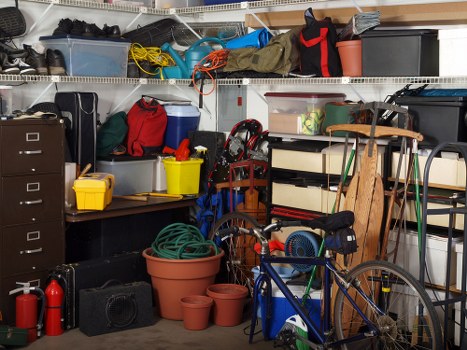
When you ask for a quotation, it helps to describe the type of waste, the approximate amount and the access conditions at the premises. You do not need to produce a full inventory unless the load is complex, but a clear summary is valuable where the collection includes mixed furniture, archive material, office equipment or bulky items. If there are stairs, narrow entrances or building restrictions, mention those too so the plan reflects the site properly.
For businesses that want a clearer view of pricing structure, pricing and quotes is the most relevant page to review. It gives a straightforward route to understanding how quotations are prepared, which is useful when comparing a small routine clearance with a larger project involving multiple item types. If you are ready to move forward, the most useful next step is to request a tailored quotation and share only the information needed to price the work accurately.
There is no need to over-prepare. A few photographs, a brief description and an indication of timing are often enough to start the process. If the site is busy, let us know when access is easiest and whether the items are in one place or spread across several rooms. That kind of practical detail helps keep the conversation focused on the work itself rather than on unnecessary back-and-forth.
How we keep removals practical
Commercial waste work is usually easiest when the job is broken into sensible parts. One section of the premises may contain general rubbish, another may hold redundant furniture and another may have items for secure disposal. Rather than treating every load the same way, it is often better to group materials by type and decide what needs separate attention before collection begins. That makes the removal more orderly and easier to manage on site.
Our approach is to keep the service focused on what can be removed safely and sensibly from the premises. Where the waste includes sensitive paperwork, confidential shredding remains a distinct and useful option. Where the issue is mainly damaged furnishings or office fixtures, the more suitable route may be the relevant furniture page or a broader clearance service. Matching the task to the right collection method is often the simplest way to avoid complications.
If you are preparing a commercial space for handover, works or reoccupation, think first about the order in which the items can be cleared. Keep essential equipment in place, identify what is disposable and mark anything that needs special handling. A calm, structured approach helps the work go ahead with less interruption, especially where several departments, tenants or contractors are involved. In practical terms, that means the collection can focus on removal rather than sorting the site from scratch.
Request a quotation
If you need business waste removal in Westminster, the best way to get started is to ask for a quotation with a short description of the items, the premises and the access conditions. Whether you are clearing a single office, a retail back room or a larger commercial space, we can help with a service that is organised around the waste you actually need removed. For a straightforward next step, send the details and ask for a quote today.
Where the load is mixed, it is helpful to note which items are bulky, which are confidential and which may be suitable for separate disposal routes. If you are unsure which service fits best, you can still begin with the main commercial waste enquiry and narrow the scope from there. For those who prefer to arrange the job online, book online provides a direct route to making the request.
Ready when you are: request your quotation now, and we will help you plan a clear, practical waste removal service for your Westminster premises.